The Hidden Cost of Ammonia in Poultry Houses (And How to Control It)
Ammonia is one of the most significant yet often underestimated challenges in poultry production. While producers are familiar with its odor, the true cost of uncontrolled ammonia goes far beyond unpleasant working conditions. It affects bird health, feed conversion, weight gain, and ultimately, farm profitability.
While producers are familiar with its odor, the true cost of uncontrolled ammonia goes far beyond unpleasant working conditions.
Section 1: Where Ammonia Comes From
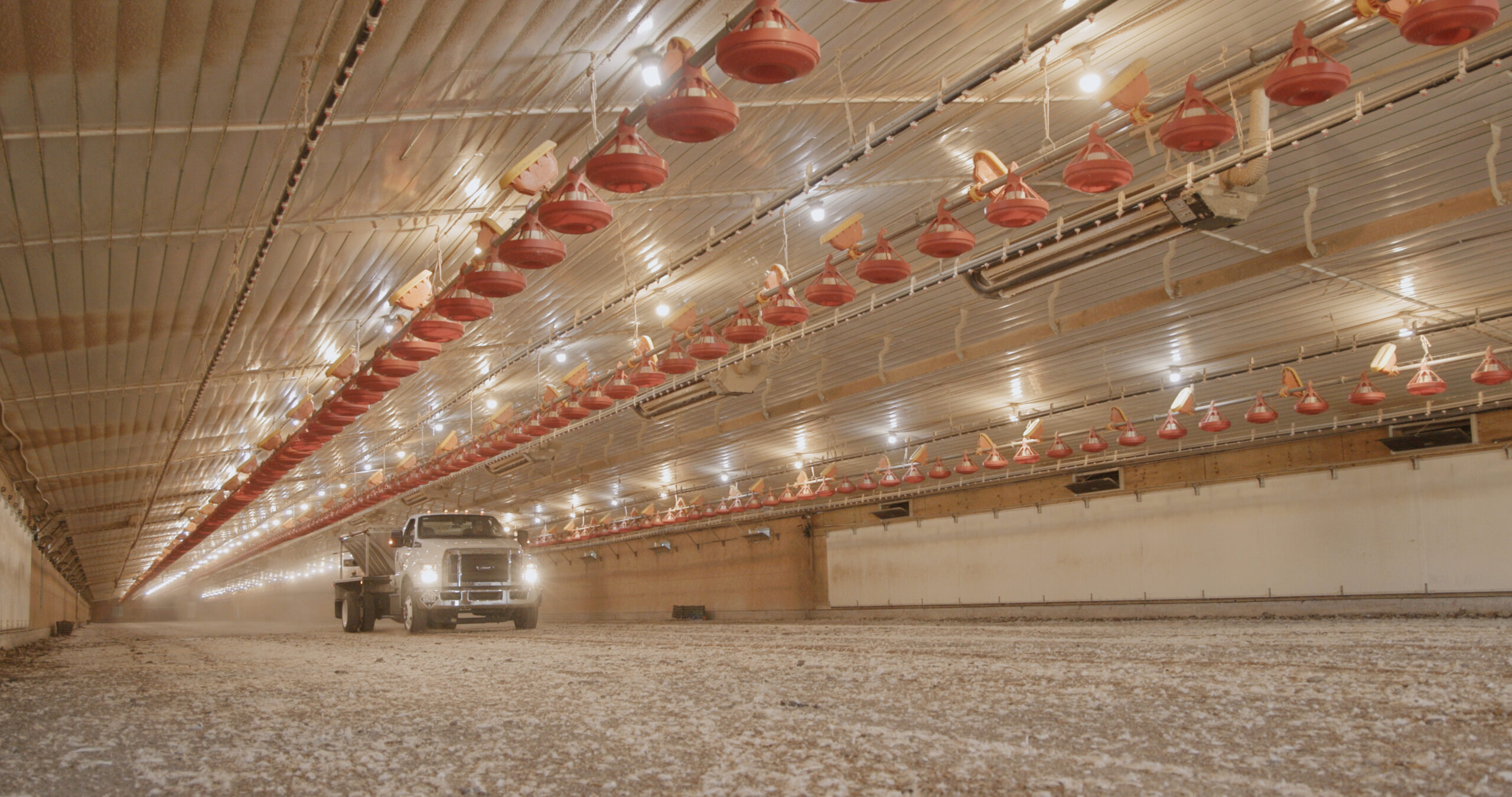
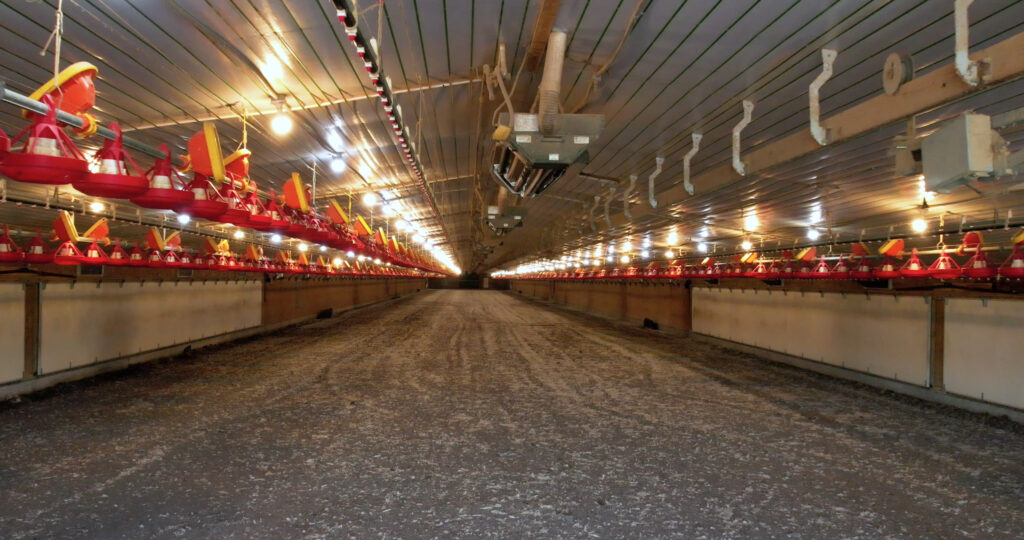
Ammonia in poultry houses is released when uric acid in manure breaks down, especially under warm and moist litter conditions. Left unchecked, levels can climb quickly and create a toxic environment.
Section 2: The Impact on Birds and Workers
High ammonia levels cause:
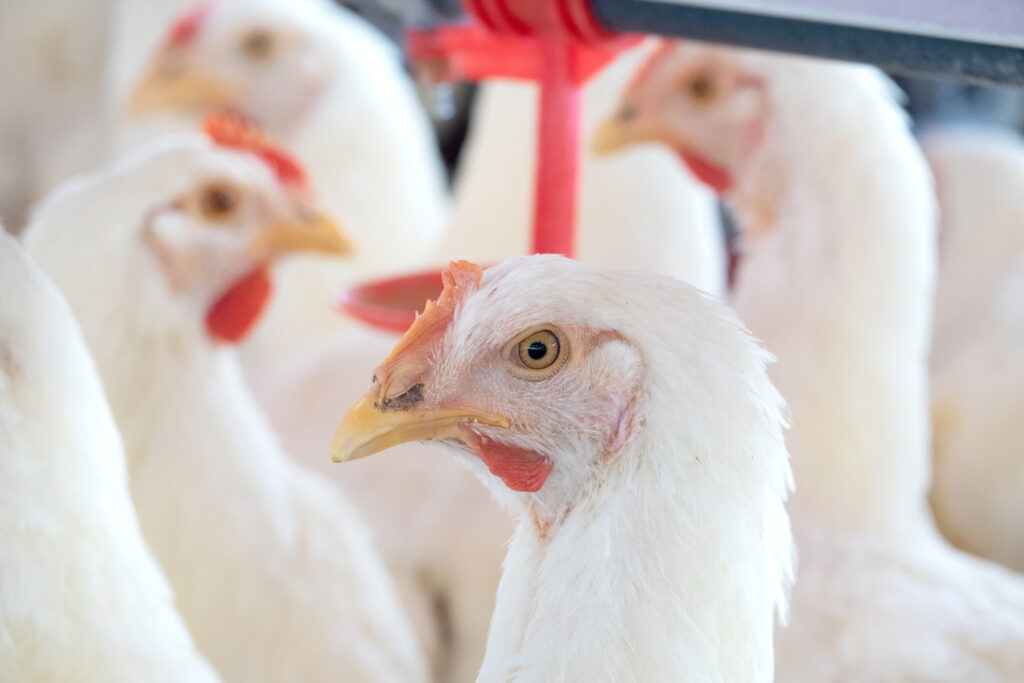
Eye irritation and respiratory stress in birds
Reduced feed efficiency and growth rates
Increased susceptibility to disease
Health risks for workers in the house
Section 3: The Economic Consequences
Lost weight gain, reduced feed conversion, and higher mortality directly impact margins. Even small increases in ammonia can add up to substantial financial losses across a flock cycle.