K. Scott McKenzie, Ph.D. – Technical Services, A7® Poultry
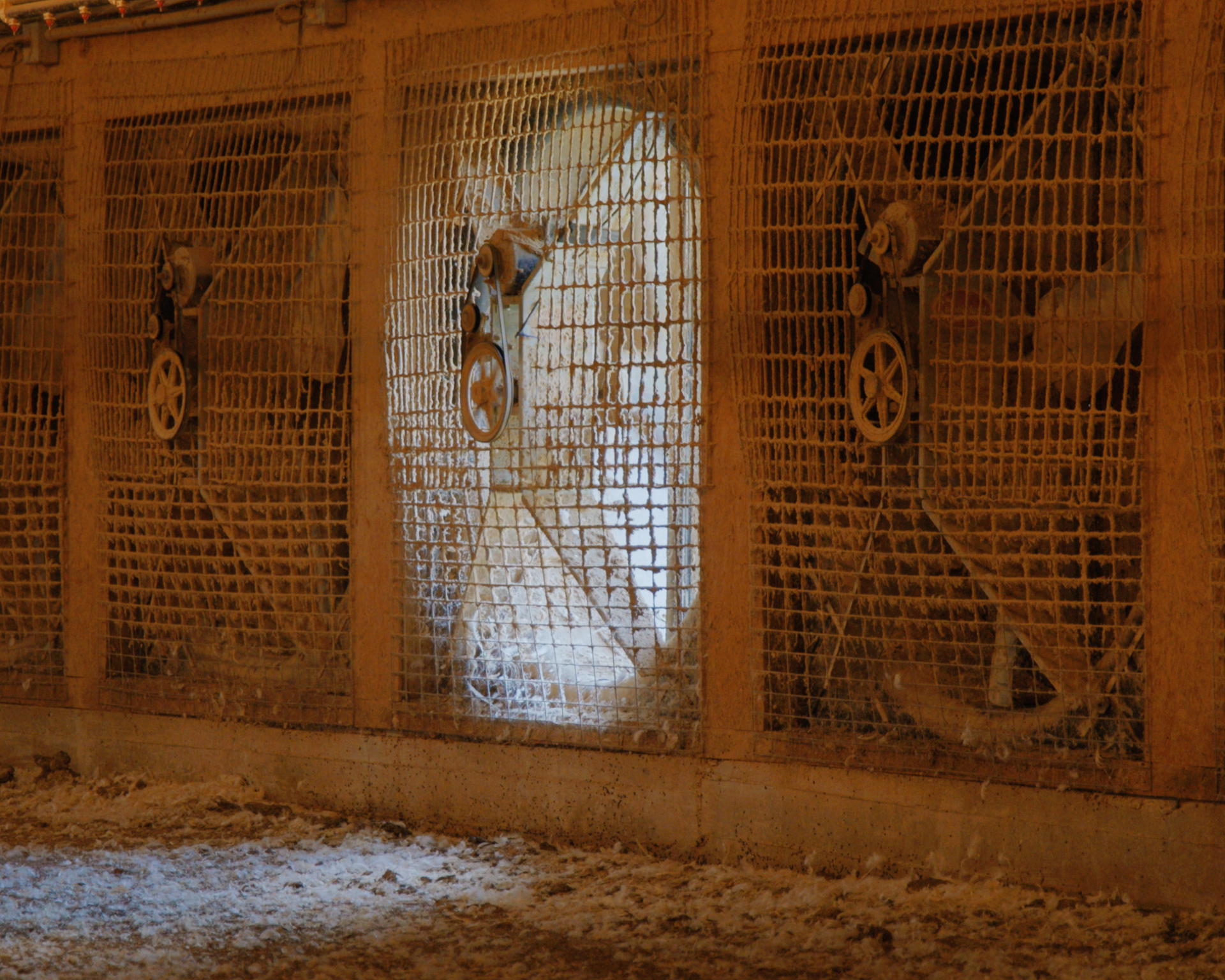
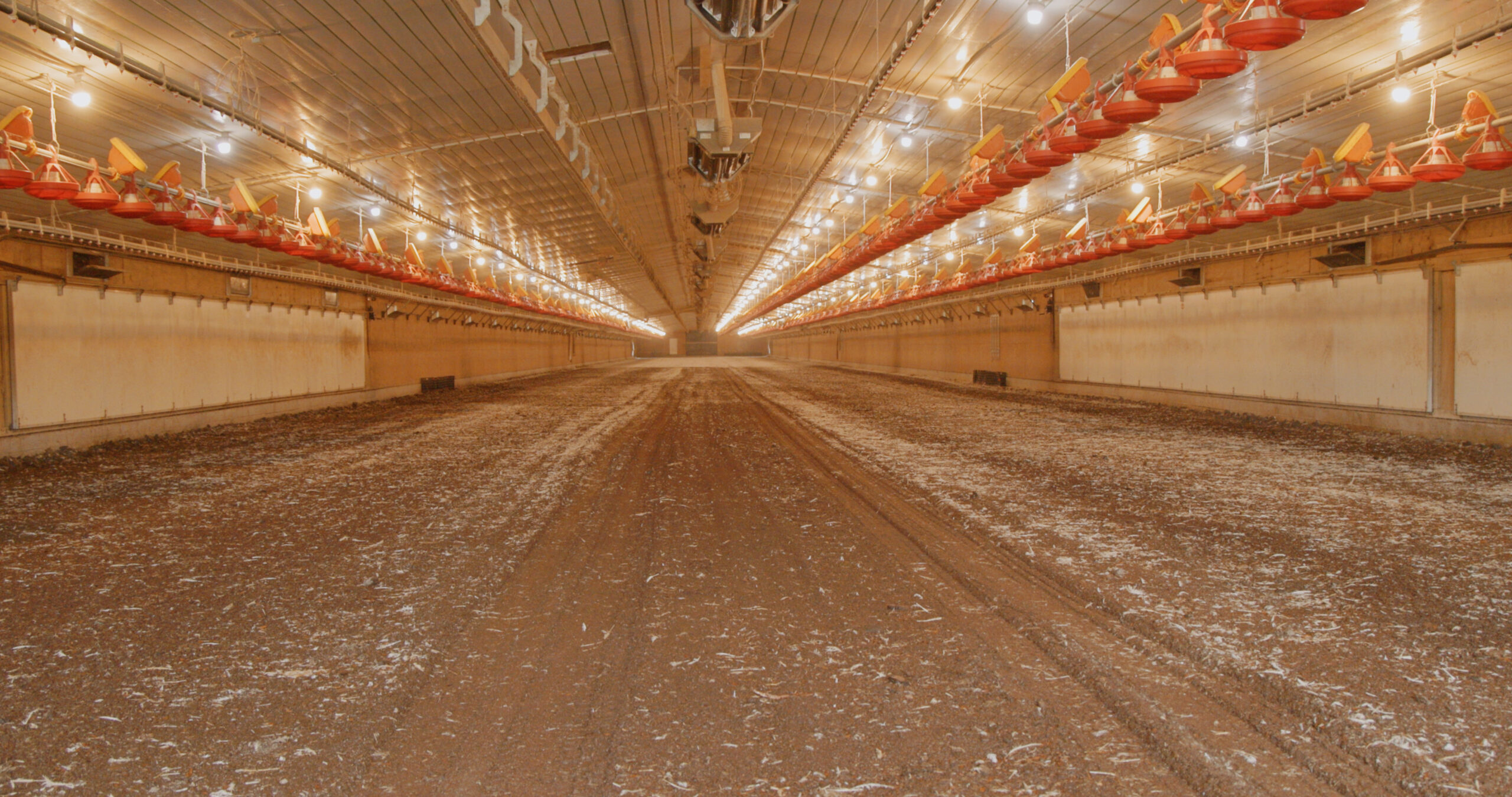
Poultry barn floor preparation between flocks is widely known to be a key factor determining performance outcomes of the next flock, and are impacted by several factors. Factors which may increase the production of ammonia (NH3) include higher alkaline pH, seasonal litter temperature and importantly moisture content1. Thorough decaking is the one key tool used to remove moisture (and spilled and undigested feed, some pathogens, feathers, and fecal/nitrogen waste), and one of the most important between-flock work activities to help with ammonia control. Decaking, although time consuming, has the largest payoff for putting on the hours of work, improving litter quality and setting up ventilation-driven and chemical amendment ammonia control for success. But what can get in the way of ammonia control while working on litter?
Following decaking, or unfortunately sometimes instead of proper decaking, growers often use other physical litter conditioning steps, including tilling, pulverizing and/or windrowing. Windrowing is also an excellent litter conditioning step, focused on achieving both pathogen reduction and litter moisture and some ammonia release. Limitations for windrowing, however, include short out-times, cold weather challenges, the need to quickly begin windrowing after birds are gone, and the time, fuel, and labor challenge of doing windrowing properly.
Three main approaches and considerations for litter management between flocks tend to focus on three measurable items that growers and service techs can evaluate together to achieve the “not too little, not too much…but “just right” effort:
- Litter “Size” Quality: The particle or average litter “chunk” size
- Ventilation: Removing moisture throughout out-time
- Chemical Litter Treatment: final bird health step before new birds are placed
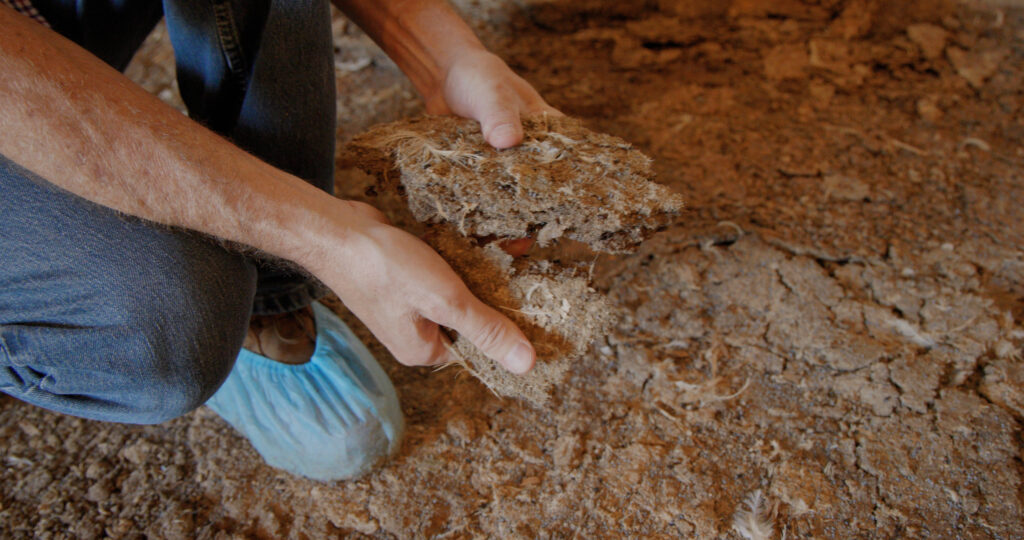
Pulverizing has grown in popularity due to equipment cost, and some complexes have seen short-term improvement of paw quality. However, just the right amount of tilling and pulverizing must be done to achieve a happy medium sizing (air filled porosity2, Table 1), passes, and depth. Too much pulverizing results in a “too small” small particle (Coffee Grounds or smaller) size that can reduce drying of the litter, impact water activity/wicking ability of the litter2, and can act like a sealing cap limiting moisture release and effectively trapping and/or delaying some of the ammonia chemistry and microbes below the fine particle layer.
| Bedding/Litter Material | Air Filled Porosity |
|---|---|
| Pine Shavings | 74.9% |
| Softwood Shavings | 56.9% |
| Hardwood Shavings | 54.1% |
| Peanut Shells | 53.2% |
| Peanut Hulls | 51.4% |
| Friable (Over-Pulverized) Litter | 16.7% |
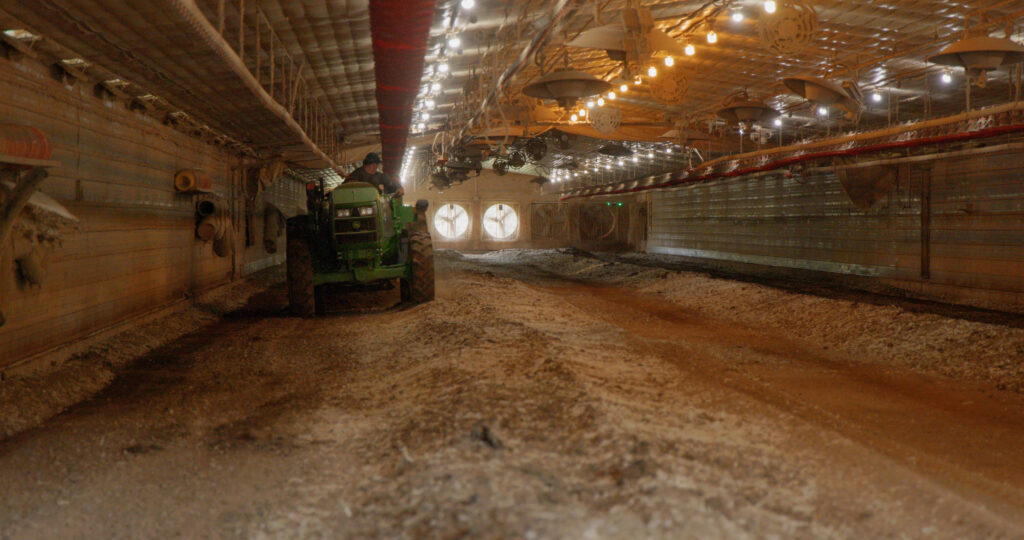
One strategy to help is to only do a single and quicker pass after decaking, along with leaving the exit flap(s) open to reduce the number of times the blades see each chunk (ALWAYS check with and adhere to the safety requirements of all litter management equipment as per the manufacturer’s instructions). Ideal post-tilling particle size is arguably the size of a coin…between a dime and a quarter…not a powder or granule. If your litter size is too small, you may need to use more acidic litter treatment to extend ammonia control and account for trapped moisture and ammonia/nitrogen chemistry.
Along with a reasonable and seasonally-adjusted ventilation program during out-times (not too little…) and working the litter to dry and size condition (not too much…), you can use just the right amount acidic ammonia control chemistry to prep barns for the next successful flock.
References:
- Elliot, H. A., and N. E. Collins. 1982. “Factors Affecting Ammonia Release in Broiler Houses.” Transactions of the American Society of Agricultural Engineers 25 (2): 413–418. doi:10.13031/2013.33545.
- Mark Dunlop. 2017. “Quantifying poultry litter conditions and relationships with odour emissions”, Ph.D. dissertation, University of New South Wales, School of Civil and Environmental Engineering.