K. Scott McKenzie, Ph.D. – Technical Services, A7® Poultry
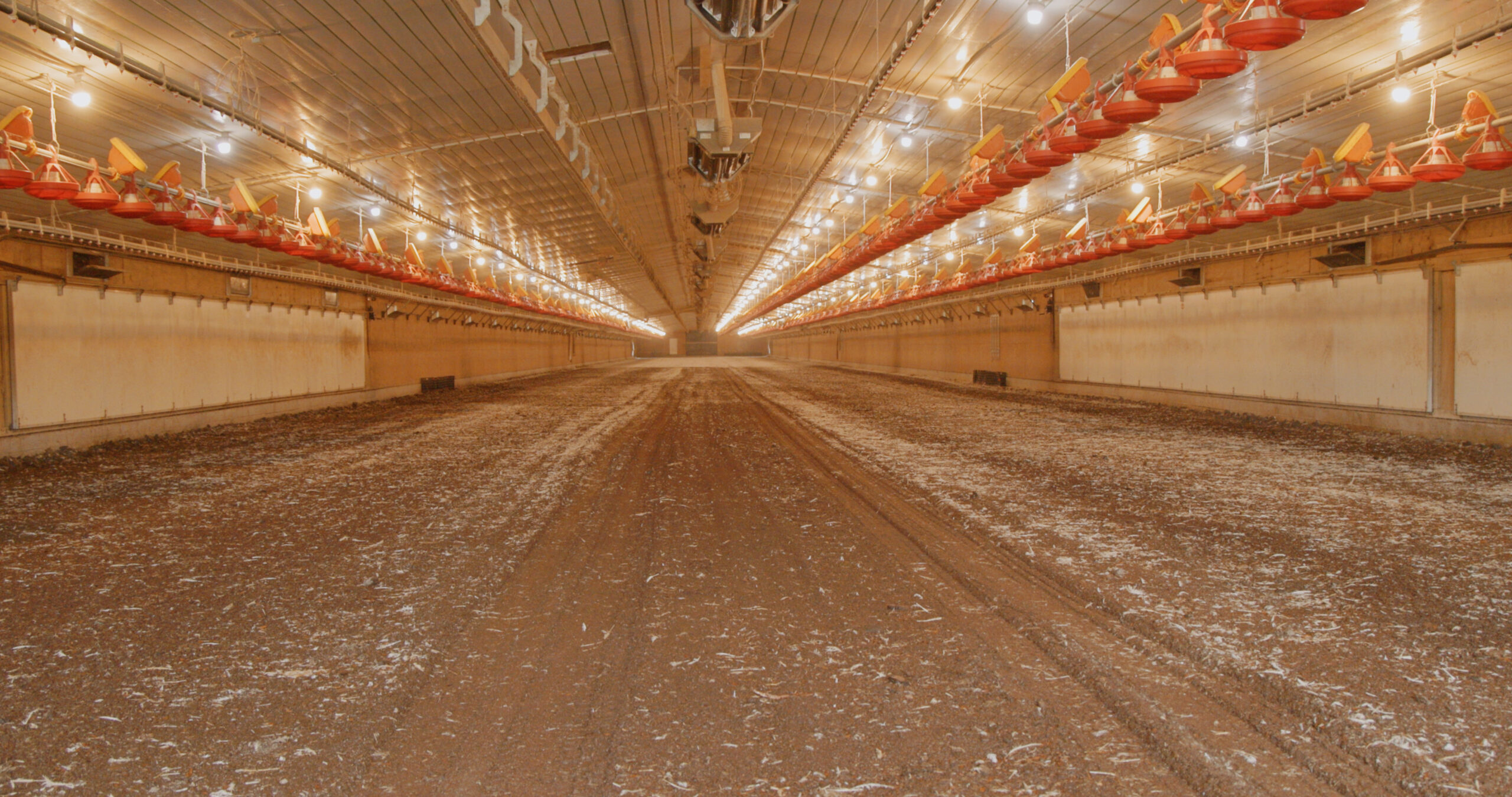
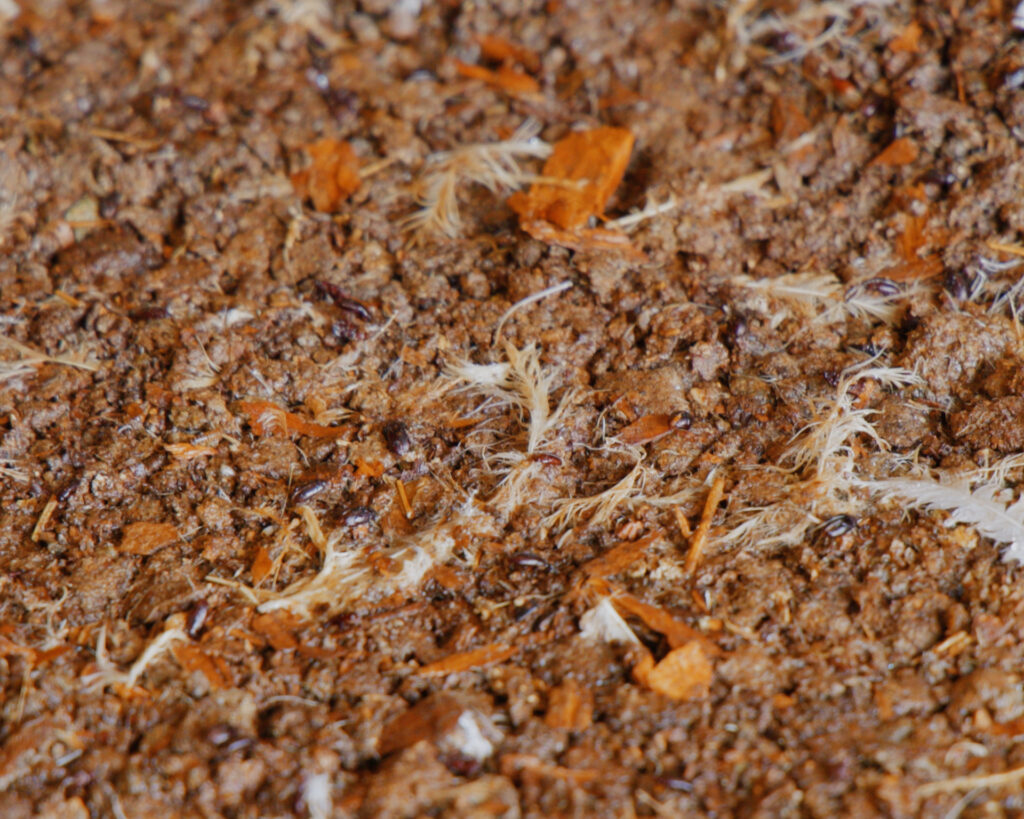
Reusing litter for multiple flocks is the common practice in the US but comes with a price: Moisture and subsequent ammonia build-up, increased energy consumption, and pathogen levels all rank near the top as intertwined concerns for growers and integrators. Moisture in litter between flocks is further impacted by impact of litter depth, (used) litter (cellulose) material and condition, out-time, humidity, feed passage/manure quality and deposition rate, and drinker leakage, among others.
A common moisture percentage at the beginning of out-time in the US averages between 25 and 30%, with 35% moisture seeming to be at least one critical inflection point for initiating footpad problems, prolonging pathogen persistence into the placement window, and lowering drying rate1. A lot of water is added through the bird into the barn; with one paper reporting at 2.4 gallons per square foot during total grow-out adding 60,000 gallons in a single 25,000 ft2 house2.

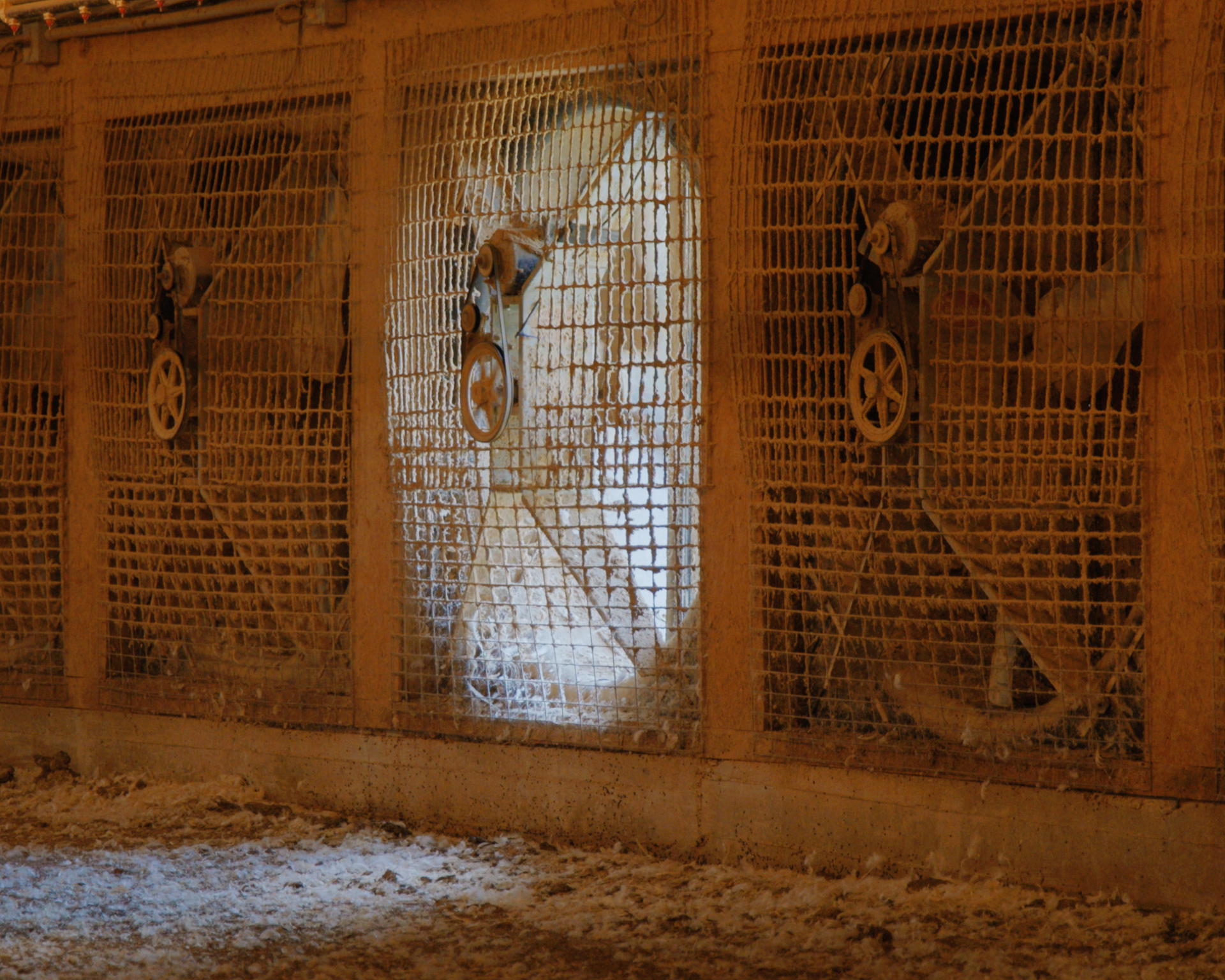
So what about a simple tool to use during out-time, helping manage both ammonia and water? What about using the existing “water pump” built into every poultry barn in the US?
During the later summer fall of 2025, I heard too many times that between flocks that some growers like to close up the house and “let it cook for a bit” …which should not be confused with windrowing. During out-times, houses should have end doors closed, and are ideally running the “water pump”, a.k.a., ventilation fans. These are accomplishing at least two critical tasks: 1) Removal of water, stratified across the litter surface, and 2) removal of ammonia produced in the absence of birds. Electrical usage economics should be considered across multiple production factors, including: 1) pathogen loads in litter with reduced water activity (Aw) at current out times, 2) getting greater/longer control of ammonia control with litter amendments prior to placement, and 3) helping reduce ammonia pockets in deeper litter under drinker lines (missed by litter conditioning). The benefits of running the water pump will outweigh the expense of electricity. Saving on electricity will increase house challenges which could cost you more in the long run.
Mention the benefits of the two-for-one water pump with at least minimum ventilation, year-round. The numbers add up…even if the water pump reference raises an eyebrow!
References:
- Tebler, T., Y.A. Liang, J. Moon, and J. Wells, 2020. “Broiler Litter: Odor and Moisture Concerns” Mississippi State Extension Service Document P3515.
- Dunlop, M.W., and R.M. Stuetz, 2016. “Wet Litter – Factors Associated with the Shed Microenvironment and Littter Properties” 27th Annual Australian Poultry Science Symposium, Sydney, New South Wales (Feb 2016).
- “Good Litter Management Improves Broiler Performance, Health, and Welfare”, Mississippi State Extension Document P3657.